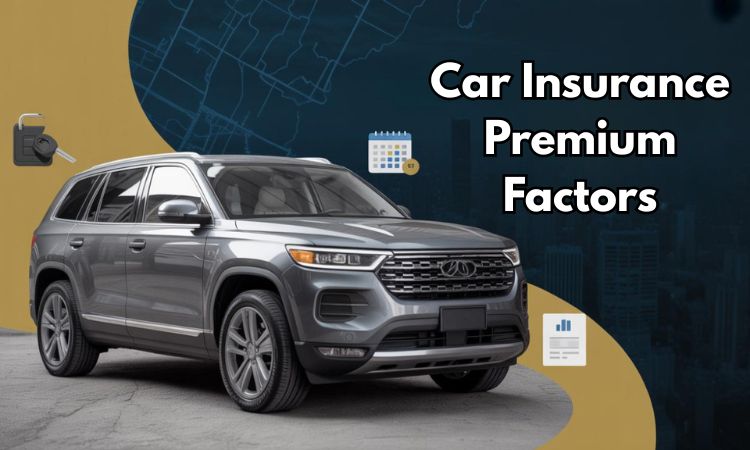
Your car insurance premium is the amount you pay in order to keep your vehicle insured and protected. Insurance companies actually calculate this premium based on multiple risk factors, and three of the most important are your car’s model, its age, as well as the location where it’s registered. Each factor influences how likely it is that you’ll make a claim and how expensive that claim could be. So, by understanding how these factors affect your premium, you can make smarter decisions and even find low premium car insurance options that truly fit both your preference and budget.
How Car Model Affects Car Insurance Premium?
The car you drive plays a key role in deciding your car insurance premium. Here’s how actually different aspects of a car’s model influence the cost:
Market Value of the Vehicle
Higher-value cars attract higher premiums due to increased replacement, or repair costs.
Car Segment (SUV, Sedan, Hatchback)
- SUVs: Generally have higher premiums due to their size, off-road use, and higher repair costs. They’re also more prone to accidents in urban areas.
- Sedans: Offer a balanced insurance rate based on the brand and safety features. Mid-range sedans with good safety ratings are usually reasonable to insure.
- Hatchbacks: Usually attract low premium car insurance due to their compact size, lower market value, as well as reduced risk profile.
Vehicle Type and Usage
Cars used for personal commuting have lower premiums compared to vehicles used for commercial, or heavy-duty purposes.
Car Brand Impact on Premium
Luxury brands, like Mercedes-Benz, Audi, and BMW lead to higher insurance costs due to costly parts along with advanced technology. On the other hand, brands like Maruti Suzuki, Tata, or even Hyundai are more affordable to insure.
Repair and Replacement Cost
It is easier and cheaper to source spare parts, it makes your insurance premium lower. When it comes to imported or specialized parts, it drives up the cost.
Safety Features and Crash-Test Ratings
Cars with features like airbags, ABS, parking sensors along with electronic stability control are considered safer, which lead to premium discounts. A high safety rating also lowers the perceived risk.
Availability of Parts and Service Network
Widely available spare parts and service centers reduce turnaround time and costs, factors that actually insurance companies always consider when setting your premium.
Luxury Cars vs Hatchback Insurance
A luxury car not only costs more to buy, but also comes with higher insurance cost by car model, whereas a hatchback’s compact design, lower risk of theft, and reduced damage potential make it cheaper to insure.
How Does Location Affect Car Insurance Premium?
Where you register and primarily use your vehicle significantly impacts your car insurance premium. Insurance companies evaluate the zones classification of your area, that’s urban, semi-urban, or even rural based on risk profiles, traffic density along with claim history.
- Urban Areas (Tier 1 Cities like Delhi, Mumbai, Bengaluru):
These high-traffic metros are prone to more accidents, frequent thefts, along with costly repairs. As a result, insurers charge higher location-based insurance rates due to the increased likelihood of claims.
- Semi-Urban and Tier 2 Cities (e.g., Lucknow, Nagpur):
These areas fall in the middle, moderate traffic and claim frequency, so premiums are generally balanced but still higher than rural zones.
- Rural Areas or Tier 3 Towns (e.g., small towns or villages):
These regions generally see fewer accidents and lower vehicle theft rates. This actually translates into low premium car insurance opportunities for vehicle owners in these locations.
Insurers also use PIN codes in order to determine your regional risk factor, analyzing historical claim data, crime rates, as well as repair costs in that zone. Therefore, even within the same city, different neighborhoods can have different premium rates.
Being aware of your urban vs rural premiums helps you understand why your location matters when it comes to insuring your car.
Tips for Saving on Car Insurance Premiums
In order to lower your car insurance premium and still get the coverage you need, follow these smart and effective strategies that actually focus on discounts, smart options along with timely actions:
- Choose Cars with Better Safety Ratings and Low Repair Costs
Opting for a vehicle with high safety ratings and easily available spare parts reduces your risk profile, and helps the insurer offer you a low premium car insurance plan.
- Install Certified Anti-Theft Devices
Equipping your car with approved anti-theft devices actually reduces the risk of vehicle theft. Insurers reward this added security with discounts and help you maintain your No Claim Bonus (NCB) benefits.
- Opt for Voluntary Deductibles
Choosing a voluntary deductible means you agree in order to pay a fixed amount during a claim. This lowers the insurer’s risk and often results in reduced premiums, especially on comprehensive car insurance policies.
- Compare Policies Online Before You Buy
Use online insurance comparison tools in order to check different insurers, coverage options, along with premium rates. This actually helps you find affordable car insurance that offers the best value and protection for your needs.
- Renew Policies on Time and Skip Unnecessary Add-ons
Timely renewal prevents NCB loss and late fees. Also, avoid buying add-ons that don’t suit your driving habits. Smart policy customization ensures better coverage at a lower cost.
Conclusion
Your car insurance premium is actually influenced by multiple factors, including your car’s model, age, as well as location. When you understand these elements, it allows you to make informed decisions that truly can lead to low premium and affordable car insurance options. No matter if selecting a vehicle with a high safety rating, choosing the right zone classification, or even comparing policies through online insurance comparison tools, every detail counts.
So, don’t try to overlook add-ons, deductibles, or even your eligibility for No Claim Bonus (NCB). In order to get the most value, always explore multiple insurers and customize your policy wisely.