
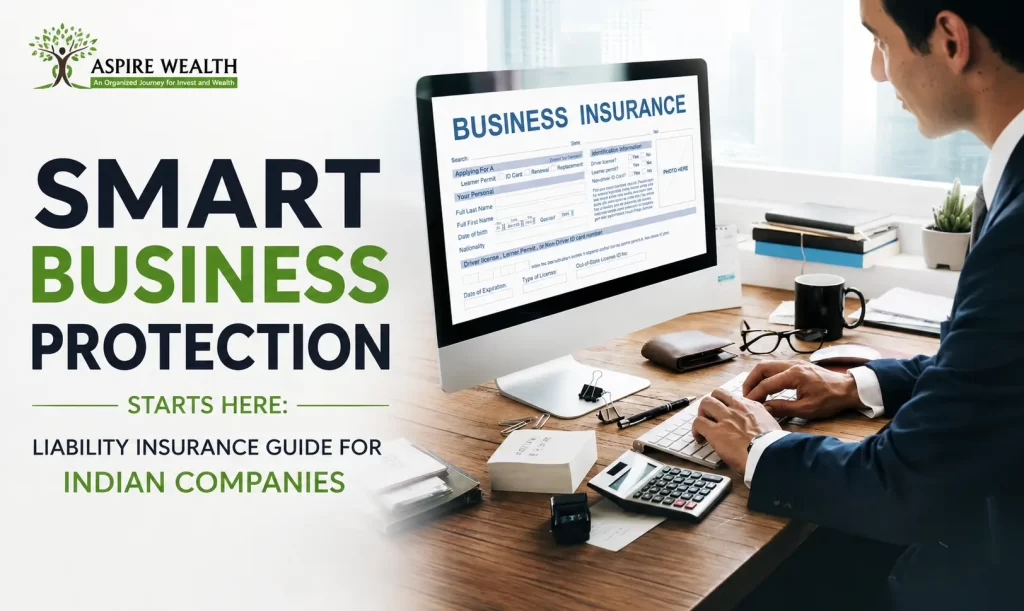
Being a business owner in India is an exciting venture but also comes with its set of challenges and risks. Do floors in your retail location get wet and slippery? If a customer has a laptop, is there a risk of damage during a meeting? Is a product harmful to your customer? One claim might lead to a significant payout in compensation, legal costs and reputation for an organisation. This is why business liability insurance has become an essential coverage to consider for all businesses in 2026 – large and small.
The law can strike you down, no matter if you are operating a retail store, a restaurant, a manufacturing facility, a consultancy or a start-up company. This is the guide to understand what business liability insurance is, why it is important, what is covered under business liability insurance, the different types of business liability insurance, and which business liability insurance to opt for for your business in India.
What is Business Liability Insurance?
Business liability insurance is an insurance policy designed to protect a business from liability claims from third parties for bodily injury, property damage, or other liability that arises from the business activities.
Under certain circumstances, depending on the terms of your policy, if your business causes harm to another person or damage to their property, you may be held liable for the costs of defending yourself in court and for damages.
This is required because in the event of a lawsuit, businesses may face serious consequences. It may be a lawsuit, a complaint from a customer or an accident that results in damage to the company’s property.
An example is a retail store where a customer steps on a wet floor and injures themselves. The customer is seeking reimbursement for his or her medical expenses. Business liability insurance will support the legal and financial aspects of the claim.
Why is Business Liability Insurance Important?
Protects Against Legal Claims
Accidents, defective products, or damage resulting from business activity can lead to legal disputes. Business liability insurance can help safeguard the company from the financial consequences of defending such claims.
Covers Financial Losses
The upside of cash flow is severely impacted by compensation payments, legal costs, and settlement costs. Business insurance policies will ensure that a single event doesn’t result in a significant financial burden.
Builds Business Credibility
Many clients, vendors, landlords, and corporate partners prefer to do business with companies that are covered by a commercial insurance policy. It demonstrates professionalism and preparedness.
Helps Ensure Business Continuity
Things can go wrong if unexpected liabilities arise. With insurance support, companies can keep running while claims are being resolved, minimising the chances of potential long-term damage.
Who Should Buy Business Liability Insurance?
Commercial liability insurance is useful for nearly any business that comes into contact with customers, suppliers, visitors, or the general public.
Business Type | Why It’s Needed |
Shop Retailers | Customer accidents |
Manufacturers | Material-related claims |
Offices | Visitor/ property damage |
IT and Consultants | Client-related liabilities |
Restaurants and Hotels | Third-party injury risks |
Home offices and freelance activities can also be covered, even if visitors may come to the premises, or the activity may result in third-party claims.
What Does Business Liability Insurance Cover?
A sound business liability insurance policy will typically cover third-party hazards.
Third-Party Bodily Injury
The policy may cover the cost of any medical expenses, compensation, and legal costs that a customer, visitor, or supplier incurs from your business activities if they are injured.
Third-Party Property Damage
In case your business accidentally causes damage to another person’s property, like a client’s equipment or a neighbouring store, the policy can assist in covering the costs of repair or replacement.
Legal Defence Costs
Even if the business is not ultimately deemed to be liable, lawyers’ fees and court costs can be significant.
Compensation Expenses
If the court decides to pay compensation and/or a settlement is agreed upon, the insurer may cover the amount up to the policy limit.
These coverages are the bread and butter of general liability insurance and are especially significant for businesses that serve customers.
What is Not Covered?
It’s also a good idea to know what’s not covered. There are many types of policies that most don’t cover:
- Intentional acts
- Criminal activities
- Injuries suffered by employees (which would be covered under their own employee compensation policies)
- The liability of the professional (professional indemnity insurance required)
- Cyber risks and data breaches (requires cyber insurance)
Carefully read the exclusions to prevent unforeseen claims settlement surprises.
Types of Business Liability Insurance
Every business has risks it must deal with. Here is an explanation of the major liability protection types available in India as shown below:
Type | Best For |
Public Liability Insurance | Customer-facing businesses |
Product Liability Insurance | Manufacturers |
Professional Indemnity Insurance | Service professionals |
Employer’s Liability Insurance | Businesses with employees |
Cyber Liability Insurance | Digital businesses |
Public Liability Insurance
This is also known as public liability insurance and is designed to cover claims made by customers, visitors or members of the public if they are injured or have their property damaged by the business.
Product Liability Insurance
It is vital for manufacturers, distributors and sellers. It encompasses claims of products that are defective or harmful.
Professional Indemnity Insurance
For consultants, IT professionals, architects, doctors and all other service providers. Protects claims arising from professional mistakes or negligence.
Employer’s Liability Insurance
Offers coverage for claims of liability by employees, as legally permitted.
Cyber Liability Insurance
Especially vital for enterprises that hold on to customer information or run websites.
Factors That Affect Business Liability Insurance Premium
The costs of insurance cover are not the same for all businesses. Insurers consider a few things before determining the cost.
- Business Type: You will probably be better off with a manufacturing unit than a small office, as there is a greater chance of injury or damage occurring.
- Industry Risk: Construction, chemicals, hospitality and food services are all defined as higher risk industries.
- Business Size: The premium is likely to be higher if the turnover is higher, if there are more employees, and if there are larger premises.
- Coverage Amount: The higher the sum insured, the more protection you’ll have, but the higher the premium as well.
- Claim History: Businesses that have had claims in the past could have higher premiums than those that haven’t had claims.
Understanding these factors helps businesses plan their insurance budget more effectively.
How to Choose the Right Business Liability Insurance Policy
The most important thing is not just finding the cheapest policy; it’s about selecting the right policy that is beneficial.
Consider the following points:
- Identify business risks: Determine potential damage, injury, or legal liability sources.
- Compare coverage and not only premiums: A lower-cost policy may provide less coverage.
- Verify the exclusions accurately: Make sure that significant risks are not excluded.
- Get an appropriate sum insured: Consider possible compensation and legal expenses.
- Look for claim support: A proactive insurer with a good claims process is truly valuable.
The right policy must suit the authentic risk profile of your business instead of providing non-specific security.
General Liability Insurance vs Public Liability Insurance
These two terms are often mistakenly mixed up by many business owners.
General liability insurance is a wider coverage that could cover bodily injury, property damage, legal defence, and certain operational liabilities.
Public liability insurance is for claims from members of the public that are a consequence of your business activities.
A restaurant owner might need public liability coverage as the primary protection, and a bigger company may require more comprehensive general liability coverage.
Common Mistakes to Avoid
- Buying the Cheapest Policy: If the policy is low cost, it might not have sufficient coverage, or there may be important exclusions.
- Ignoring Exclusions: Some people say the reason for disagreements is that business owners don’t read the exclusion section.
- Choosing Insufficient Coverage: For enterprises that deal with extensive customer engagement or have greater legal risk, a policy worth ₹5 lakh might be inadequate.
- Not Reviewing the Policy Regularly: Business risks are evolving with the growth of the business, the introduction of new products, and the recruitment of new workers.
The following are some of the most common types of errors to avoid so that your insurance coverage is as effective as possible.
Conclusion
Business liability insurance is not only a cover for big businesses but also a smart cover for businesses of any size in India. From customer injuries to damage and legal defence costs to compensation claims, the right policy can help protect your finances, reputation and the longevity of your business. When deciding on the best business insurance policy, it is not only important to consider the lowest possible premiums, but there are other factors to consider.
There are various things that you must do to ensure that you are selecting the right business insurance coverage, which include knowing what the risk is, looking at the coverage’s restrictions, and choosing the appropriate amount of insurance. Business owners are better able to operate and grow if they have a well-planned-out commercial insurance policy. Before deciding on a policy, carefully assess your business risks and take professional advice from Aspire Wealth and The Aspire Wealth on which insurance coverage is best for your business.


1 Comment
[…] damage or a third party may bring a legal claim against your business. Understanding the cost of business liability insurance is important for owners to plan their budgets and choose the right […]