

Over time, regular driving, age, and wear and tear cause a depreciation of every vehicle. Depreciation is the decline in value, and it affects your insurance claim payout. In a typical full coverage car insurance policy, the insurance company will reduce the payout by depreciating the value of the items replaced, and the difference will be your responsibility. To answer this problem, Zero Depreciation Insurance (ZDI) is designed to limit or remove depreciation deductions from eligible parts so that you get a larger claim.
This guide will help you to understand what zero depreciation insurance is, how it works, what is covered by this, the advantages it has, and who should seek the benefit of this oft-neglected insurance policy.
What Is Zero Depreciation Insurance?
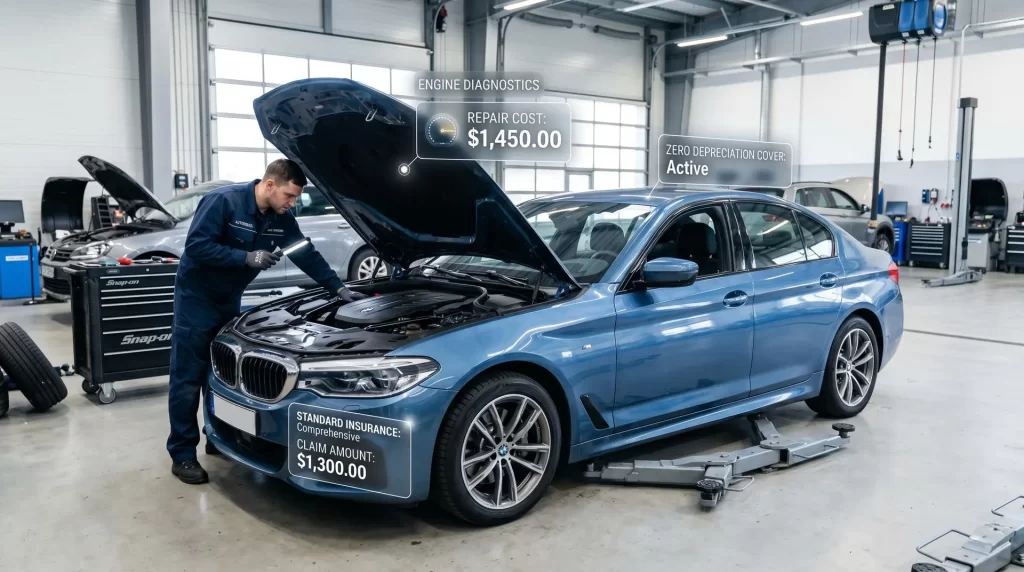
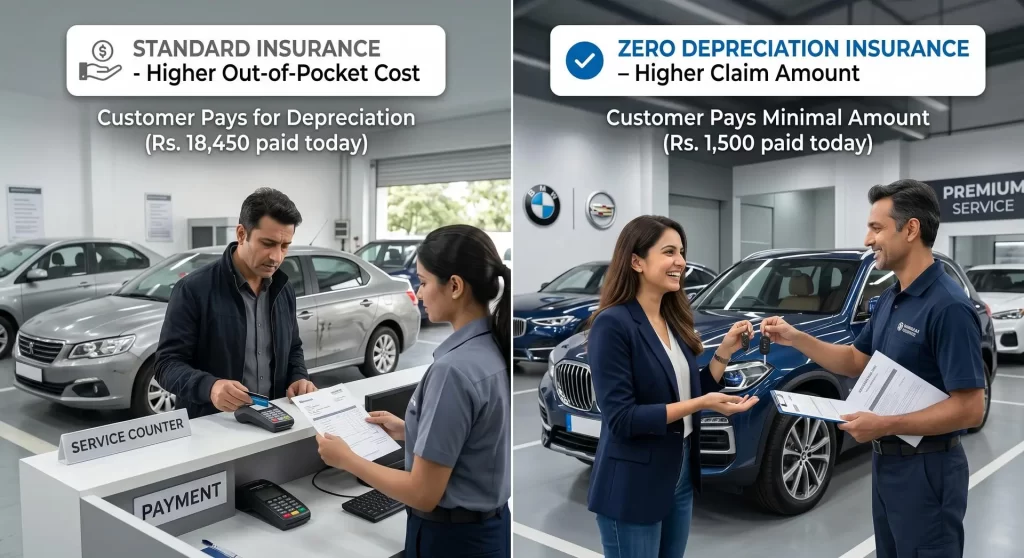
ZDI is an optional cover that lets policyholders get claim compensation without deducting depreciation from any parts of their vehicles eligible for the cover. Because depreciation is not deducted, the insurance company pays more of the cost to repair or replace the equipment, and you will have to pay out less than you would if the equipment were depreciated.
This add-on is also commonly known as the following:
- No Depreciation Car Insurance
- Nil depreciation insurance
- Bumper-to-bumper insurance
- Zero-dep insurance
- Zero depreciation cover
Whereas a comprehensive insurance is a normal insurance policy that takes into account the depreciation of the parts being replaced, a zero depreciation add-on reimburses depreciation as per the insurance policy.
It is not offered as a standalone insurance policy and will only come into existence if someone buys a comprehensive car insurance policy.
How Does This Work?
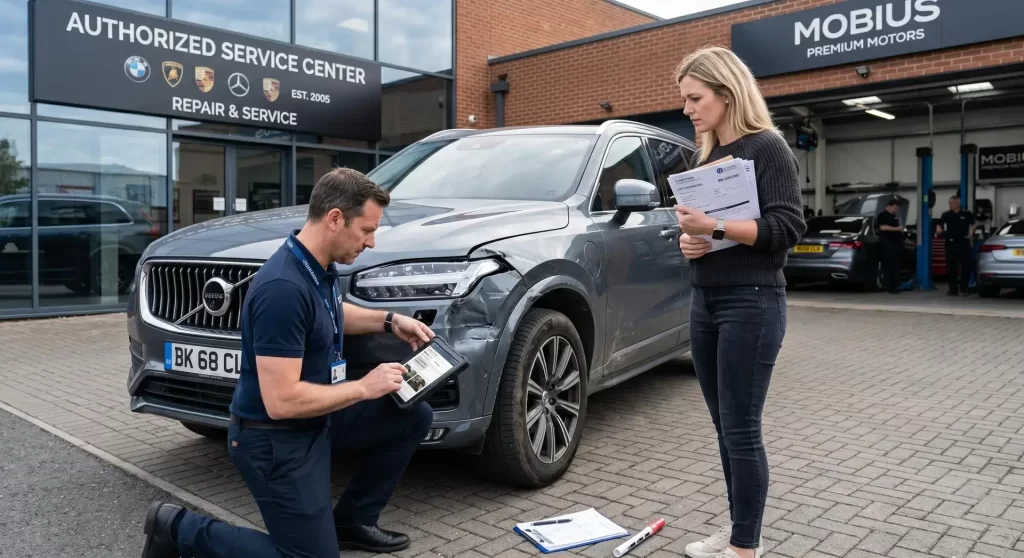
A claim is simple and much like the standard insurance claim process. The main difference is that depreciation is taken into consideration when settling claims.
Step-by-Step Claim Process
- Your car collides with another vehicle.
- Notify the insurance company as soon as possible.
- The insurance company hires a surveyor to examine the car.
- The repair workshop prepares a repair estimate.
- A normal comprehensive policy will include depreciation of eligible parts.
- No depreciation on covered parts as per policy terms.
- Only compulsory deductibles or any exclusions as mentioned in the policy are to be paid.
Example Scenario
Imagine you get in a car accident and need to replace plastic components in your vehicle.
|
Particulars |
Standard Comprehensive Policy |
Zero Depreciation Insurance |
|
Repair Cost |
₹40,000 |
₹40,000 |
|
Depreciation Deduction |
₹8,000 |
Nil |
|
Insurance Claim Paid |
₹32,000 |
Coverage limit: ₹40,000 (as per policy conditions) |
|
Customer Pays |
₹8,000 |
Only applicable deductible |
This is an example of how it it can help save personal costs during claim settlement.
Also Read: What Is Return to Invoice in Car Insurance? Meaning, Benefits & Claim Process Explained
What Is Covered
Depending on the insurance company and covered policy wording, most insurance companies will provide coverage for the depreciation of various key parts of the vehicle.
Commonly Covered Parts
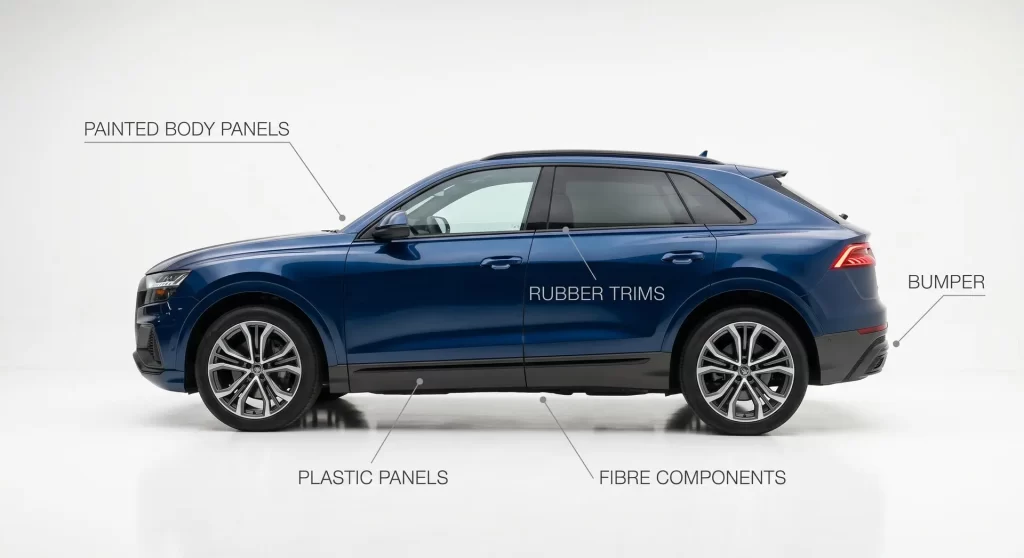
- Insurer terms apply to metal parts.
- Plastic components
- Rubber parts
- Fibre components
- Fiberglass parts
- Paintwork (where applicable)
- The cost of repair or replacement of eligible parts.
The depreciation is not applied to these components, which means that policyholders will be paid more when they file a claim than with a standard comprehensive policy.
Each insurance company will have different policy conditions, however, and it is crucial to closely consider the coverage before buying the add-on.
What Is Not Covered?
While Zero Depreciation Insurance is more comprehensive in terms of claim coverage, it is not guaranteed to cover all damage or loss types.
Some common exclusions include:
- Engine damage caused by negligence
- Mechanical and electrical failures that do not result from an insured event.
- Normal wear and tear is defined as follows
- Engine oil, grease, lubricants, coolant, nuts & bolts (unless included in another add-on)
- Damage occurring while driving under the influence of alcohol or drugs.
- Losses that arise from the failure to repair in a timely manner.
- Damage caused by any illegal actions.
- Claims exceeding policy limits or policy conditions
- In some instances, the total loss or constructive total loss scenarios have separate policy conditions.
It is important to carefully read the insurer’s policy document to understand exactly what is excluded.
Also Read: How to Choose the Best Commercial Car Insurance
Benefits of Zero Depreciation Insurance

There are multiple financial benefits to adding this cover to your comprehensive policy.
Higher Claim Settlement
During repairs, you will be reimbursed for eligible parts at a higher rate since depreciation cannot be deducted from those parts.
Lower Out-of-Pocket Expenses
Claim settlement: the settlement is much lower as the insurance company assumes the depreciation costs based on the policy terms.
Better Financial Protection
Unexpected repairs can be costly, particularly if large parts have to be replaced. This cover can lessen that expense.
Peace of Mind During Repairs
Owners can offer high-quality repair without the concern of a high depreciation deduction.
Ideal for Expensive Spare Parts
Expensive plastic, fibre, and electronic components are used in modern cars. This cover aims to better control the replacement costs.
More Value for New Cars
This is because new cars depreciate more in the first few years. The add-on insurance is there to safeguard the owner against those depreciation deductions.
Who Should Buy This Add-on Insurance?
This cover can be beneficial for many vehicle owners but is especially beneficial for certain types of drivers.
Ideal for:
New Car Owners – New cars depreciate rapidly in the first few years of ownership.
Luxury Car Owners – Premium spare parts often have high replacement costs.
Electric Vehicle Owners – EV components can be expensive to repair or replace.
Heavy Deliveries – Drivers who drive frequently in heavily trafficked areas are more likely to be involved in minor accidents.
Higher Exposure to Accidental Damage – The more people drive the higher the risk of them getting involved in an accident.
Owners Looking for Maximum Claim Value – This add-on is great for those who want minimum depreciation and maximum claim value.
Selecting ZDI offers reliable financial security for vehicle owners who want extensive coverage with lower maintenance and repair costs after an accident.
Things to Check Before Buying
While zero depreciation insurance is one of the most beneficial options that car owners can avail themselves of, insurers apply definite suitability conditions.
Some common examples of eligibility requirements include:
- Typically offered for newer models or new vehicles.
- Many insurance companies provide coverage only for a certain age of vehicle (usually 5-7 years, but it may differ depending on the insurance company).
- It can only be purchased with a comprehensive car insurance policy.
- Some policies impose a cap on how many times zero depreciation can be claimed on a policy period.
- Each insurance company has its own eligibility criteria.
Always review the policy wording, claim limits and vehicle age requirements in the insurer’s policy before buying the add-on.
Zero Depreciation Insurance vs Comprehensive Car Insurance
This comparison will give you an idea of the difference between a standard comprehensive policy and a zero depreciation car insurance policy.
Feature | Comprehensive Insurance | Zero Depreciation Insurance |
Depreciation Deduction | Yes | No (for covered areas) |
Claim Amount | Lower | Higher |
Premium | Lower | Higher |
Repair Cost Paid by Customer | Higher | Lower |
Add-on Required | No | Yes |
Coverage on Eligible Parts | Depreciation is deducted as per policy terms and provisions | Full claim value is provided without depreciation deduction on eligible parts |
Best Suitable For | Older vehicles | New and high-value vehicles |
While the cost is a little more expensive, it can statistically help many car owners justify the extra expense of zero-depreciation insurance.
Things to Consider Before Buying Zero Depreciation Insurance
It’s important to research other insurance companies before choosing this add-on. Best coverage cannot always be purchased at the lowest price.
Premium Increase
This coverage comes with a higher claim limit, but the premium is likely to be higher than a regular comprehensive policy.
Number of Claims Allowed
Some insurers have no limit on their claims, and others have annual claim limits. Always verify the terms and conditions of the policy.
Vehicle Age Restrictions
Most insurers only allow this optional feature on newer vehicles. Verify your vehicle’s eligibility before buying.
Policy Exclusions
Understanding of the areas that are excluded from the policy, such as consumables, negligence damage, and mechanical failure.
Network Garages
Cashless repairs are typically quicker and simpler at the network’s approved garages. Check the network of garages offered by the insurance company before purchasing.
Policy Terms and Conditions
Carefully read the policy document to understand:
- Coverage limits
- Deductibles
- Claim procedures
- Exclusions
- Settlement conditions
Compatibility with Other Add-ons.
Many insurance companies offer a zero depreciation policy along with convenient add-ons like:
- Engine Protection Cover
- Roadside Assistance
- Return to Invoice Cover
- Consumables Cover
- Key Replacement Cover
Choosing suitable combinations of add-ons can offer more comprehensive protection to the vehicle.
Also Read: 10 Car Insurance Secrets Insurance Agents Won’t Tell You
Conclusion
Vehicle depreciation can have a huge impact on how much you are awarded in insurance claims and increase the cost of repairs out of pocket. This is a problem that can be overcome with zero depreciation insurance, which reduces the depreciation deductions for eligible parts and boosts the claim payout. It’s particularly advantageous for new vehicles, luxury cars, electric cars and motorists who typically drive in heavy traffic. When looking at an insurance policy, check the premiums, requirements, coverage restrictions, payout limits, and terms provided by each insurance company.
Selecting the right cover can help you to get the right financial benefits and feel the right peace of mind. At Aspire Wealth, we encourage every vehicle owner to carefully evaluate their insurance needs and select the right policy that offers maximum value and long-term security.
Frequently Asked Questions (FAQs )
Q1 . What is zero depreciation insurance?
Ans: Zero depreciation insurance is an add-on vehicle insurance policy that negates the depreciation of the eligible parts of the vehicle in the claim settlement process and thus gives the policyholders a better claim payout.
Q2. Is zero depreciation insurance worth buying?
Ans: Yes. It can substantially lower out-of-pocket repair costs, especially for new, higher quality and higher dollar cars.
Q3. Is it available for old cars?
Ans: Usually, insurers offer this add-on only for vehicles up to a certain age. Different insurance providers have different eligibility criteria.
Q4. Does it increase the premium?
Ans: Yes. It provides more coverage and higher claim values and costs a bit more than a regular comprehensive policy.
Q5 How many claims are allowed?
Ans: The number of claims depends on the insurer. Some companies have policies with unlimited claims, others limit the number of claims during the policy year.
Q6. Is zero depreciation insurance mandatory?
Ans: No. It is an optional add-on that can be purchased along with a comprehensive car insurance policy.
Q7. Can I buy it while renewing my policy?
Ans: Yes. Many insurers offer an option to include Nil depreciation when you renew your policy as long as your car fits the criteria.
Q8. Does it cover all vehicle parts?
Ans: No. It is only applicable to eligible parts and is subject to the policy terms of the insurer. Exclusions or certain consumables may still apply.
Q9. What is the difference between bumper-to-bumper and zero-depreciation insurance?
Ans: There is generally no significant difference. Zero depreciation insurance is also sometimes referred to as bumper-to-bumper insurance, but coverage can be slightly different among insurance companies.
Q10. Can I purchase it with any comprehensive car insurance policy?
Ans: In most cases, yes. But requirements vary by insurer, comprehensive policy provisions and the age of the vehicle.